Allergic to Changing our Minds

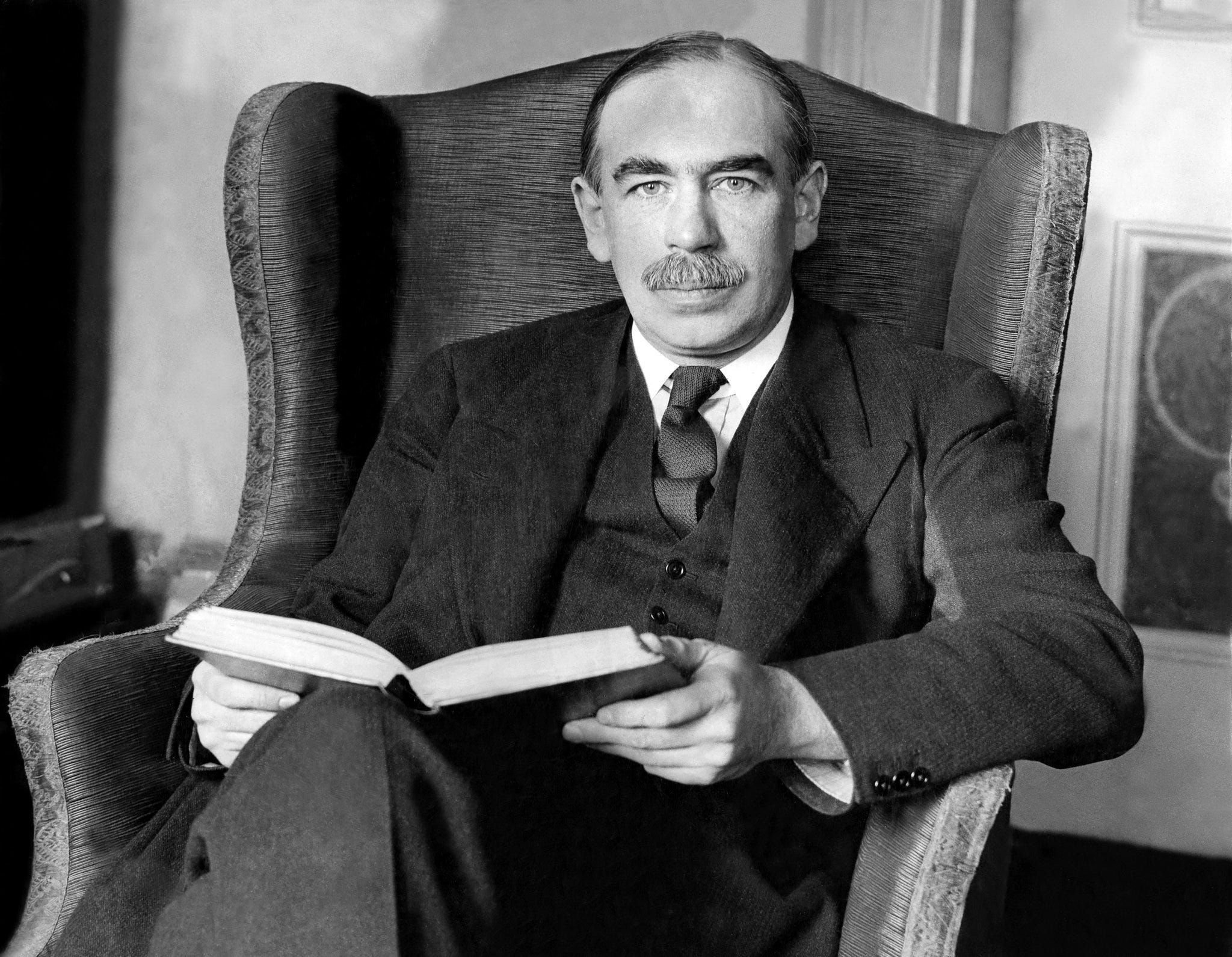
In 1924, John Maynard Keynes published “Investment Policy for Insurance Companies” in London’s The Nation and Athenaeum. In the essay, Keynes argued that insurance firms must adopt an “active investment policy”, noting the importance of being willing to change ones opinion the moment facts and circumstances change.
From the piece:
“The inactive investor who takes up an obstinate attitude about his holdings and refuses to change his opinion merely because facts and circumstances have changed is the one who in the long run comes to grievous loss.”
While the context of the post is uniquely specific to Keynes’s area of interest, his core idea is universal as to how people get led astray by their own perspectives: by refusing to change them.
Keynes gives us three foundational ideas that can be applied anywhere:
Changing our mind is difficult
Changing our mind requires conscious choice and intent
Changing our mind is necessary for success
This all feels intuitive. We each think of ourselves as someone that would change our mind if we were in a situation that called for it. Changing our mind when the facts change seems obvious.
But it’s not.
In life, at home, at work — these “obstinate attitude[s]” towards a new perspective are common. We’ve all worked on projects with people who seem steadfast on doing something their way, even when all available evidence clearly points towards a different direction.
Political scientists Brendan Nyhan & Jason Reifler coined this phenomenon the backfire effect, highlighting the tendency people have to reject evidence that contradicts tightly held beliefs.
You can see this everywhere.
An executive continues to champion a complex, costly software system she implemented, viewing it as essential to her identity as an innovator.
A father who prides himself on his outdoorsmanship refuses to turn back when it looks like he’s taken a wrong turn and gotten lost.
A diet enthusiast follows a restrictive food regime that has become a core part of his lifestyle and pushes back against blood work showing nutrient deficiencies.
When the facts change, we don’t change our minds, we try to change the facts.
So where does that leave us? If people are strongly disposed to hold onto their wrong opinions, then doesn’t it make sense to just leave them be?
No. Not if our job is to make meaningful changes in our organizations (and lives).
Observing an obstacle blocking your way on the road doesn’t mean avoiding it all together, it means considering the options available to you to continue going in the direction you need to go.
Maybe we go slower and more careful, maybe we find another way around, maybe we use special tools to help us get the obstacle out of the way. All different approaches specific to the situation in front of us.
To use our example of the “innovator” from above, perhaps this executive would be open to modifications or adjusting the most harmful parts of the new technology. Maybe our job is to find a way to protect her pride while also protecting the organization.
Understanding the human allergy to changing our mind is a key part to understanding the dozens of tiny inconsistencies and contradictions that make the human-centered work we do dynamic and interesting.
Frustrating? Sometimes. But only limiting in so much as we allow ourselves to be limited by it.
Good luck out there.
Patrick