Good Trouble

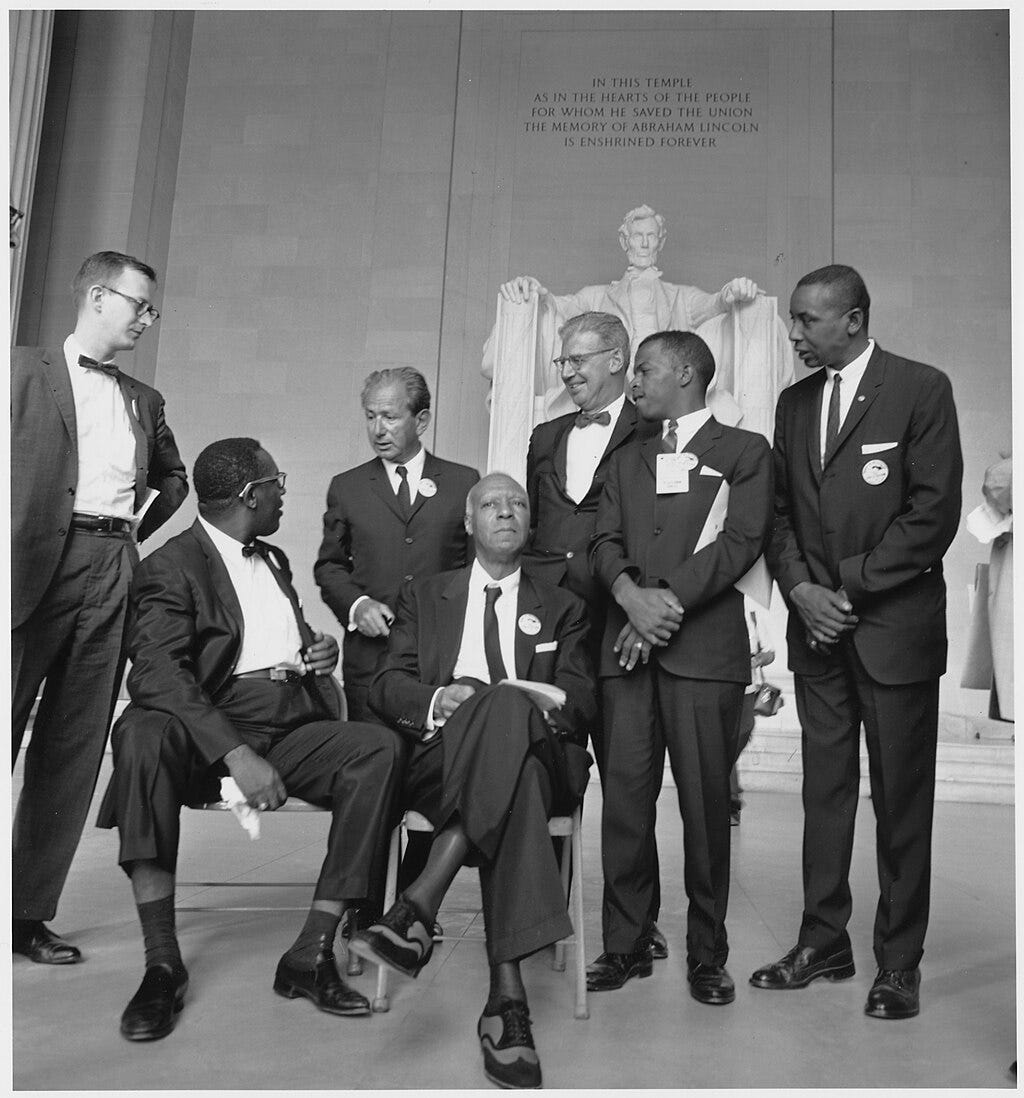
“Do not get lost in a sea of despair. Be hopeful, be optimistic. Our struggle is not the struggle of a day, a week, a month, or a year, it is the struggle of a lifetime. Never, ever be afraid to make some noise and get in good trouble, necessary trouble.” - John Lewis
As a recovering people-pleaser, I’ve spent the better part of my 30s unlearning an impulse hardwired into my consciousness: the desperate need for no one to be mad at me.
For most of my life, through high school, college, and my early career, I’ve had a crippling fear of disapproval. I wanted to please everyone, sidestep every controversial topic, and generally do everything in my power to be seen as the workplace’s best “nice guy.”
It was a hollow victory.
This orientation toward being agreeable and likeable didn’t make me more effective; it robbed me of my impact.
It is impossible to have an impactful career and please everyone.
As I started to lead teams, champion initiatives, and push for real change in the places I worked, I realized an essential truth: leadership often requires taking the unpopular path.
When I sincerely believed a certain way would lead to better outcomes for the organization, my responsibility was to follow it, even if it created friction.
Decisions on new PTO policies, the allotment of office space, or the optimal design of a new clinic — there are many issues with no easy answers. They are tangled with competing, valid interests, making it impossible to satisfy everyone. In these moments, the desire to be liked becomes a direct obstacle to the duty to lead effectively. You become indecisive and often an advocate for weak, milquetoast solutions.
Civil rights activist and congressman John Lewis famously advocated for getting into “good trouble,” a philosophy built on the idea that some causes require disruption and agitation in service of a larger good.
While our day-to-day aspirations may not rise to the heights of Lewis’s legacy, his idea that getting into trouble can be necessary for the change we want to see is an important one.
Is the change we seek in the world, in our lives, in our workplaces, even possible without some level of trouble?
To lead is, by definition, to fight against inertia, to encounter friction, and to change minds.
If we seek meaningful careers where we can have the largest impact possible, then we must embrace the fact that avoiding trouble is the last thing we want. We want to be where change is happening, where our voice and efforts do the most good. If that means we’re at the head of the majority, wonderful.
But occasionally, maybe even more often, our voice may be the only one advocating for a difficult but necessary truth. We have to prepare ourselves to have the courage to fight against reasonable-sounding voices who, despite their well-considered arguments, are simply wrong.
Our job isn’t to avoid making waves. It’s to make the right ones.
Good luck out there.
-Patrick